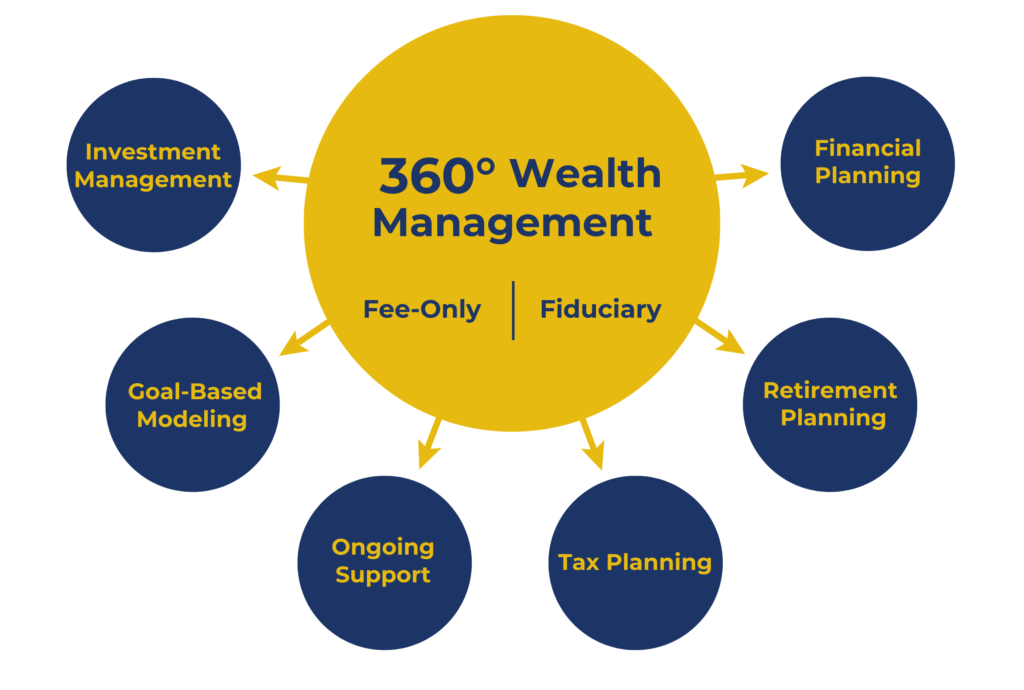
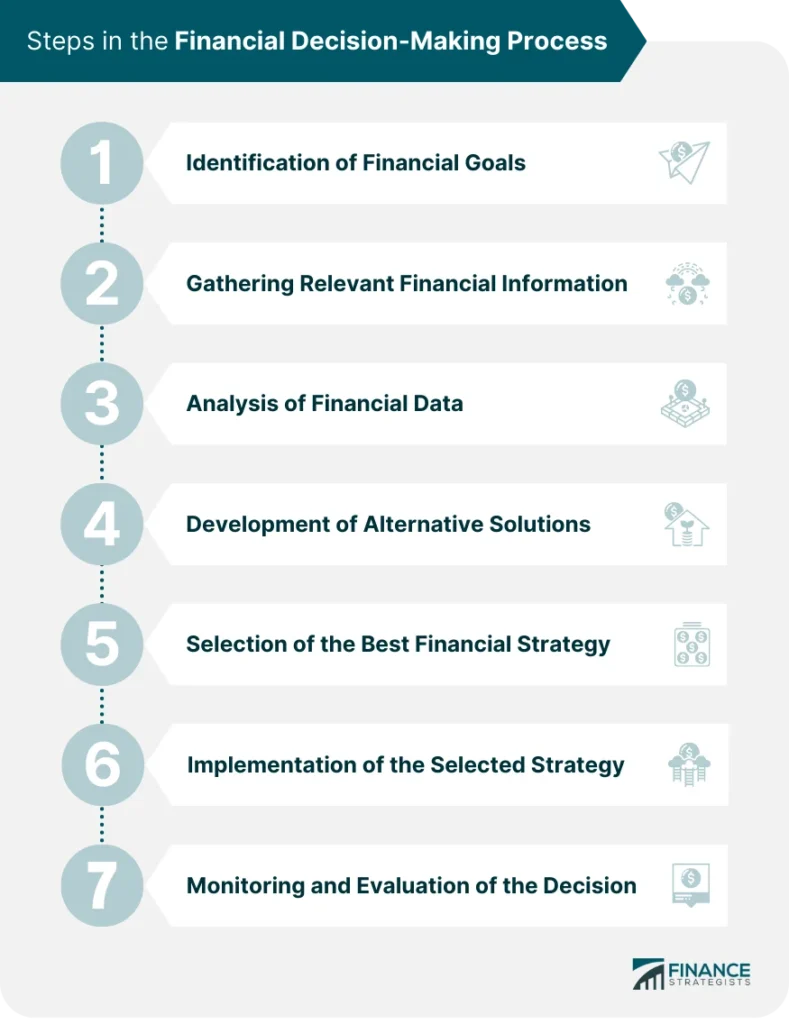
A clear financial strategy is the foundation of long-term financial stability and confidence. Without a structured plan, financial decisions often become reactive—driven by short-term market movements, emotions, or incomplete information. A well-defined strategy, on the other hand, provides direction, discipline, and clarity in an increasingly complex financial environment.
A financial advisor helps transform uncertainty into structure by creating a strategy that aligns your personal objectives with realistic financial pathways.
A financial strategy is not static. Life circumstances evolve, markets change, and new opportunities or challenges arise. A clear strategy provides a flexible structure that can be reviewed and adjusted when necessary—without losing sight of long-term objectives.
Regular reviews ensure that your strategy remains relevant, aligned, and effective as conditions change.
Ultimately, a clear financial strategy offers more than financial organization—it provides confidence. Knowing that your financial decisions are guided by a well-thought-out plan allows you to move forward with clarity, purpose, and peace of mind.
By working with a financial advisor to create a clear strategy, you replace uncertainty with structure and transform complexity into a manageable, forward-looking financial journey.
Risk management is a core element of any sound financial strategy. Financial markets are inherently uncertain, and without a structured approach to risk, even well-performing investments can expose capital to unnecessary volatility. Effective risk management focuses on identifying potential threats early, understanding their impact, and implementing measures that help limit downside exposure while maintaining long-term objectives.
Capital protection goes beyond avoiding losses; it is about preserving financial stability across different market conditions. Through diversification, asset allocation, and liquidity planning, a financial advisor helps ensure that capital is not overly concentrated or vulnerable to sudden market shifts. This balanced approach allows investors to remain invested with confidence, even during periods of economic or geopolitical uncertainty.
A disciplined risk management framework also supports better decision-making over time. By setting clear boundaries and predefined strategies, investors are less likely to react emotionally to short-term market movements. The result is a more resilient financial structure—one that protects capital, supports sustainable growth, and provides peace of mind in an unpredictable financial environment.
An effective risk management approach is not static but continuously reviewed and refined. As markets evolve and personal circumstances change, strategies must be reassessed to ensure they remain aligned with financial goals and risk tolerance. Regular monitoring and adjustments help maintain balance within the portfolio, allowing investors to respond proactively to new risks while preserving long-term stability and capital protection.
Ultimately, effective risk management creates a framework for confidence and continuity. By anticipating potential challenges and preparing for a range of scenarios, investors are better equipped to navigate uncertainty without compromising their long-term objectives. This forward-looking approach ensures that capital protection is not a defensive reaction, but an integrated part of a sustainable and well-governed financial strategy.
An objective and independent perspective is one of the most valuable benefits a financial advisor can offer. Financial decisions are often influenced by emotions such as fear, optimism, or urgency—especially during periods of market volatility. An independent advisor provides a clear, rational viewpoint, helping you assess situations based on data, strategy, and long-term impact rather than short-term reactions.
Independence also means freedom from product-driven recommendations or external pressures. An objective advisor focuses solely on what aligns best with your financial goals, risk tolerance, and personal circumstances. This neutrality ensures that advice is structured around strategy and suitability, not trends, headlines, or conflicts of interest.
By maintaining an objective perspective, a financial advisor helps you stay disciplined and consistent over time. This steady guidance reduces the likelihood of impulsive decisions, supports long-term planning, and reinforces confidence in your financial strategy. The result is clearer decision-making, stronger alignment with your goals, and greater peace of mind in an ever-changing financial landscape.
An objective and independent advisor also acts as a stabilizing presence during periods of uncertainty. By filtering out noise and focusing on fundamentals, they help ensure that financial decisions remain consistent with the original strategy. This measured approach strengthens long-term outcomes, supports rational decision-making, and allows investors to move forward with clarity and confidence regardless of market conditions.